

21 Day Rapid Fat Loss Reset.
Keto can show noticeable results in 21 days because it shifts your body into ketosis, burning stored fat for fuel and reducing water weight while often decreasing appetite.
21 Day Accelerated FAT LOSS
-
21 Day Accelerated FAT LOSS -
Rapid Weight-Loss & Reset — 1800 kcal Ketogenic Program
This 1800-calorie ketogenic reset is designed to jump-start rapid fat loss while stabilising appetite, improving mental clarity, and establishing sustainable low-carbohydrate habits. By restricting carbohydrates and prioritising high-quality proteins and healthy fats, the body shifts from glucose to ketone metabolism, reducing insulin levels and increasing fat mobilisation.
An 1800 kcal target provides a controllable energy deficit for many busy professionals while supplying sufficient protein to preserve lean mass and support workouts. The plan is brief, structured, and practical—meals are simple to prepare, emphasise nutrient density, and include adequate electrolytes to minimise common keto transition symptoms.
Why this works
Ketosis and fat oxidation: Reducing carbs forces the body to use stored fat for fuel. Ketone bodies (acetoacetate, beta-hydroxybutyrate) supply energy to muscles and brain, increasing fat loss when calories are in deficit.
Insulin reduction: Lower carbohydrate intake lowers insulin secretion, which facilitates lipolysis (fat breakdown) and can curb hunger and sugar cravings.
Appetite regulation: Dietary fat and protein increase satiety; ketones themselves may suppress appetite for many people, making an 1800 kcal target easier to maintain.
Protein-sparing effect: Adequate protein intake protects lean muscle during rapid weight loss, preserving metabolic rate and functional strength.
Practical energy balance: 1800 kcal is commonly effective for weight loss in moderately active adults; it’s high enough
21-Day Burnout to Unstoppable — 1,800-Calorie Keto Meal Plan (Sample Day)
Goal: ~1,800 calories | Net carbs ≤ 25–30g | High fat, moderate protein, low-carb Note: Adjust portion sizes to individual needs. Drink water, black coffee, or unsweetened tea. Track electrolytes (sodium, potassium, magnesium).
Macros target (approximate):
Calories: 1,800
Fat: 140–150 g (≈70–75% kcal)
Protein: 90–100 g (≈20–22% kcal)
Net carbs: 15–30 g (≈5–7% kcal)
Daily Meal Structure
Breakfast: high-fat, moderate-protein
Lunch: nourishing salad or bowl
Snack: fat-forward
Dinner: protein + veg cooked in healthy fats
Optional small before-bed bite if needed
Sample Day (total ≈1,800 kcal)
Breakfast — Avocado & Smoked Salmon Plate
3 large eggs, scrambled or fried in 1 tbsp butter (eggs cooked in butter)
Calories: 270 | Fat: 22 g | Protein: 18 g | Net carbs: 2 g2 oz smoked salmon
Calories: 80 | Fat: 4 g | Protein: 11 g | Net carbs: 0 g1/2 medium avocado (about 75 g)
Calories: 120 | Fat: 11 g | Protein: 1.5 g | Net carbs: 2 g1 tbsp extra virgin olive oil drizzled or used as dressing for greens (optional)
Calories: 120 | Fat: 14 g | Protein: 0 g | Net carbs: 0 gHandful of baby spinach or mixed greens (10–20 g)
Calories: 5 | Fat: 0 g | Protein: 0.5 g | Net carbs: 0.5 g
Breakfast subtotal: ≈595 kcal | Fat: ~51 g | Protein: ~31 g | Net carbs: ~5 g
Lunch — Cobb-style Salad with Chicken and Blue Cheese
5 oz grilled chicken breast (approx cooked weight)
Calories: 235 | Fat: 5 g | Protein: 44 g | Net carbs: 0 g2 cups romaine lettuce + 1/2 cup mixed greens
Calories: 20 | Fat: 0 g | Protein: 1 g | Net carbs: 2 g2 slices bacon, cooked and crumbled (about 16 g)
Calories: 90 | Fat: 7 g | Protein: 6 g | Net carbs: 0 g1 oz crumbled blue cheese (28 g)
Calories: 100 | Fat: 9 g | Protein: 6 g | Net carbs: 1 g2 tbsp ranch or blue cheese dressing (full-fat) or 2 tbsp olive oil + 1 tbsp apple cider vinegar
Calories: 200 | Fat: 22 g | Protein: 0 g | Net carbs: 1–2 g
Lunch subtotal: ≈645 kcal | Fat: ~43 g | Protein: ~57 g | Net carbs: ~4–5 g
Afternoon Snack — Macadamia Nuts + Celery Sticks
1 oz macadamia nuts (about 10–12 nuts)
Calories: 200 | Fat: 21 g | Protein: 2 g | Net carbs: 2 g2 medium celery sticks (optional for crunch)
Calories: 5 | Fat: 0 g | Protein: 0.3 g | Net carbs: 1 g
Snack subtotal: ≈205 kcal | Fat: ~21 g | Protein: ~2.3 g | Net carbs: ~3 g
Dinner — Pan-Seared Salmon with Garlic Butter and Roasted Broccoli
6 oz salmon fillet (cooked)
Calories: 367 | Fat: 23 g | Protein: 38 g | Net carbs: 0 g1.5 tbsp butter (used to finish salmon)
Calories: 150 | Fat: 17 g | Protein: 0 g | Net carbs: 0 g1 cup roasted broccoli tossed in 1 tbsp olive oil
Broccoli calories: 55 | Fat: 5 g (including oil) | Protein: 3.7 g | Net carbs: 4 g
Dinner subtotal: ≈572 kcal | Fat: ~45 g | Protein: ~42
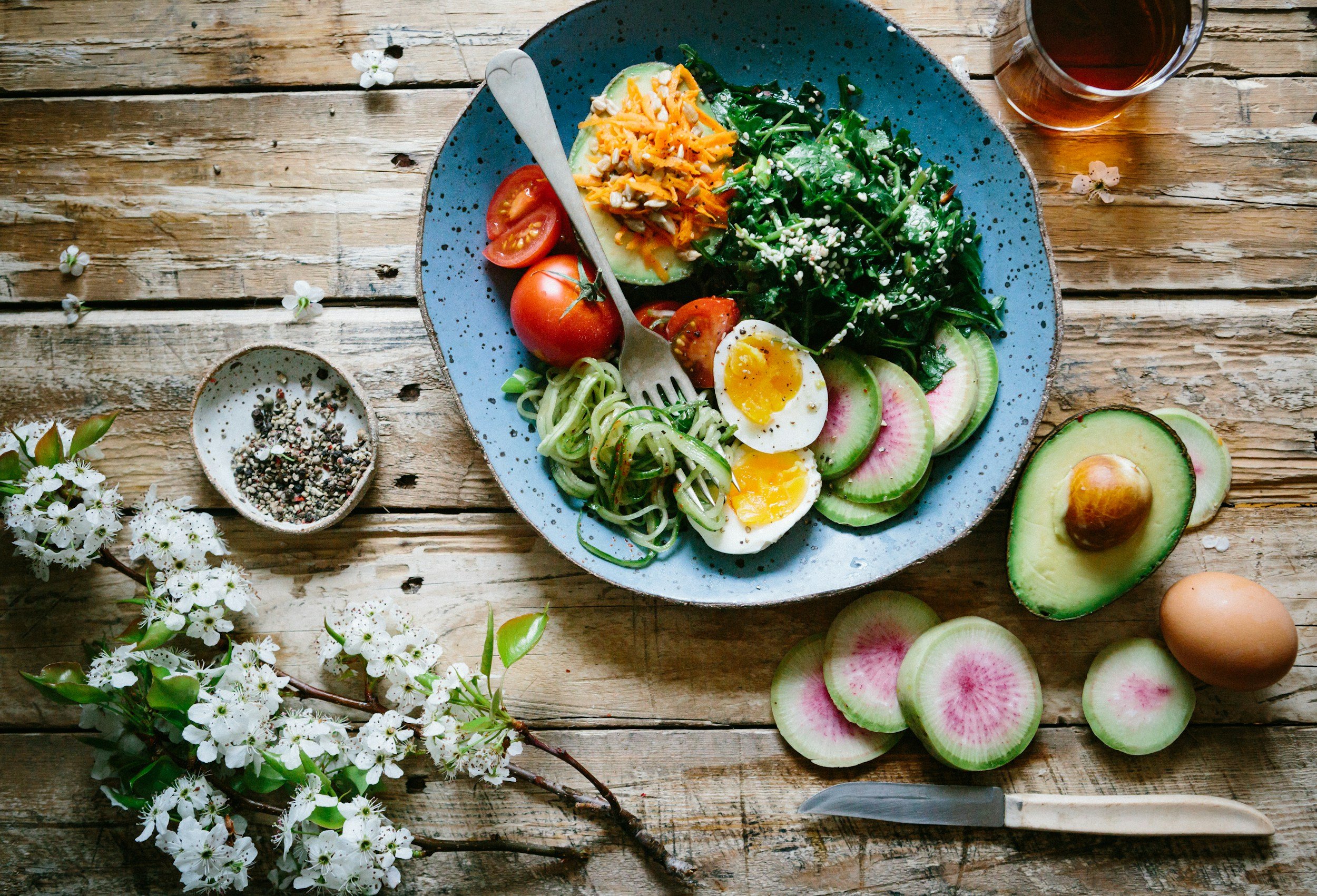
Berries are one of the best fruit choices on a ketogenic diet because they deliver vitamins, antioxidants, fiber, and flavor with relatively low net carbohydrates. Their lower sugar content compared with most fruits makes them easier to fit into a daily carb limit typical for keto (often 20–50 grams of total carbs or 20–30 grams of net carbs per day). Here’s why berries work well and which carbs are generally acceptable on keto.
Why berries are good on keto
Low net carbs: Berries like raspberries, blackberries, and strawberries have fewer digestible carbs per serving after subtracting fiber (net carbs = total carbs − fiber). For example, ½ cup raspberries has about 3–4 g net carbs, making portion control simple.
High fiber: Fiber reduces net carbs and helps support digestion and satiety, which is helpful when overall food volume is lower on keto.
Antioxidants and micronutrients: Berries provide vitamin C, manganese, and various polyphenols that support health and may help offset oxidative stress.
Versatility: They can be eaten fresh, used sparingly in yogurt or shakes, or added to keto-friendly desserts without spiking carbs too much.
Volume and satisfaction: Berries add flavor and a sense of indulgence without a large carb load, helping adherence to the diet.
Typical net-carb estimates for common berries (approximate per ½ cup)
Raspberries: 3–4 g net carbs
Blackberries: 3–4 g net carbs
Strawberries (sliced): 4–5 g net carbs
Blueberries: 7–9 g net carbs (higher, so use smaller portions)
What carbs are generally acceptable on keto and why Keto focuses on minimizing digestible carbohydrates that raise blood glucose and insulin. The acceptable carb sources are typically those that are low in digestible carbs, high in fiber, and nutrient-dense.
Vegetables
Non-starchy vegetables: Leafy greens (spinach, kale), cruciferous veg (broccoli, cauliflower), zucchini, cucumbers, bell peppers, asparagus. These are low in net carbs, high in fiber, vitamins and minerals, and can be eaten in generous portions.
Limited starchy vegetables: Small amounts of higher-carb vegetables (carrots, beets, sweet potato) can be used strategically if total carbs allow, but they’re generally limited on strict keto.
Berries and low-sugar fruits
As above: berries are preferred. Small portions of other lower-sugar fruits (like avocado, olives, and small amounts of tomato) are acceptable because they are low in net carbs or primarily fat.
Nuts and seeds
Low-carb nuts/seeds: Macadamia nuts, pecans, Brazil nuts, and walnuts are lower in net carbs and provide healthy fats, fiber, and micronutrients.
Higher-carb nuts: Cashews and pistachios contain more digestible carbs and should be limited.
Dairy and alternatives
Full-fat dairy: Hard cheeses, heavy cream, and plain Greek yogurt (in measured amounts) are relatively low in carbs and provide protein and fat. Watch flavored yogurts for added sugars.
Unsweetened dairy alternatives: Unsweetened almond milk or coconut milk have low carbs and can replace higher-carb milk.
Low-carb sweeteners and fiber
Sugar alcohols and non-nutritive sweeteners: Erythritol and stevia have minimal effects on blood glucose and are commonly used in keto baking. Some sugar alcohols (maltitol) do impact blood sugar and are best avoided.
Resistant starches and added fiber: Ingredients like psyllium husk or inulin can lower net carb impact in some recipes but should be used carefully to avoid digestive upset.
Fats and proteins
Fats: Oils, butter, ghee, and animal fats contain no carbs and form the caloric backbone of keto.
Proteins: Meat, fish, eggs, and most protein powders have negligible carbs (watch processed meats for added sugars or fillers).
Why these carbs are acceptable
Low glycemic impact: Foods low in digestible carbs produce smaller rises in blood glucose and insulin, supporting ketosis and fat-burning.
Nutrient density: Non-starchy vegetables and berries supply vitamins, minerals, fiber, and antioxidants that preserve health while carbs are restricted.
Satiety and metabolic support: Fiber and protein help control appetite, stabilize energy, and maintain metabolic function during reduced carbohydrate intake.
Practical tips for including berries and carbs on keto
Track portions: Measure servings of berries and higher-carb vegetables to stay within your daily carb target.
Prioritize fiber-rich choices: Favor vegetables and berries with higher fiber to reduce net carbs.
Combine with fat or protein: Eating berries with full-fat yogurt, heavy cream,